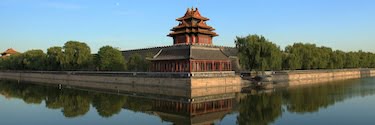
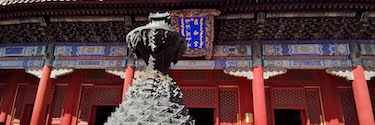
Datong, known as the “City of Coal,” is a historical gem in northern Shanxi province, where ancient Chinese art and architectural wonders nestle against a backdrop of industrious modernity. The city’s majestic Yungang Grottoes, a cluster of carved Buddhist cave sculptures, stand as a monumental testament to a rich religious past. The Hanging Temple, an architectural marvel defying gravity on the cliffside, and the awe-inspiring Nine-Dragon Wall, exude historical opulence and artistic grandeur. As visitors savor the unique flavors of Yanggao dried meat or delight in the annual Kite Festival, they delve into a vibrant tapestry of ancient tradition melding with contemporary culture in Datong.
Quick facts
– Population: Approximately 3.4 million (as of 2022).
– Area: Around 14,176 km² (just a bit larger than the island of Jamaica).
– Language Spoken: Mandarin (Standard Chinese) and the local Datong dialect.
Most important spots to visit & how long to stay
– Major touristic sites and activities: Yungang Grottoes, Hanging Temple, Huayan Temple, Nine Dragon Wall, Yingxian Wooden Pagoda, Shanhua Monastery, Datong City Walls, Drum Tower, Fahua Pagoda, Datong Museum.
– Recommended duration for exploration: A minimum of 2 days is essential to cover the basics.
Where to stay
For luxury travelers, there are no luxury international hotels in the city. The Yunzhong Traditional Courtyard, Holiday Inn, and a former Howard Johnson are the only hotels we recommend to our clients.
Unique and exclusive experiences
– XXXXXX.
Culinary Delights
– Yanggao Dried Meat: A well-known local snack, often made from mutton or beef.
– Datong Fungus Soup: A health-boosting soup made from locally grown fungi.
– Cat Ear Noodles: A local pasta specialty named for its shape, often served with soup or sauce.
– Yellow Cake: A traditional snack made from millet, with a sweet taste and sticky texture.
– Zhaotong Colza Oil Dish: A unique cooking style using local colza oil to bring out a distinct flavor.
– Luyashan Mountain Red Apricots: A popular fruit grown in the region, often eaten fresh or used in dishes.
Local Tips & Recommendations
– Best modes of transport within the city: Due to the distances between visits, having a car and a driver is indispensable in the area.
– Weather: Datong has a temperate continental monsoon climate, characterized by cold and dry winters with temperatures ranging from -19°C to -3°C (-2°F to 27°F) and warm summers with temperatures between 14°C to 25°C (57°F to 77°F). The transitional seasons, spring and autumn, are short but offer a comfortable climate, ideal for exploring the city’s profound historical landmarks and natural sites.
A few curiosities most people don’t know about the city
– The Hanging Temple, located near Datong, is built into a cliffside and supported by wooden pillars, appearing to defy gravity.
– Datong is known as the “City of Coal” due to its rich coal deposit and is one of the key energy bases in China.
– The Nine-Dragon Wall in Datong is the largest glazed-tile dragon wall in China.
– The city’s Huayan Monastery complex is home to the largest remaining wooden structure from the Liao Dynasty in China.
– Datong was the starting point for the ancient Yanmenguan Pass, one of the three critical defensive passes of the Great Wall of China.
– The city hosts a spectacular international kite festival every April, drawing enthusiasts from around the globe.
Final thoughts & conclusion
Strategically positioned near the Great Wall’s Hanging Temple, Datong is a reflection of ancient China’s architectural ingenuity and cultural resilience. The city’s Yungang Grottoes, with their intricate Buddhist carvings, stand as a proud reminder of China’s commitment to preserving its historical narratives. Visitors to Datong conclude that its value lies not just in its ancient structures, but in the silent stories etched into its stone, inviting a deeper exploration of China’s rich historical tapestry.