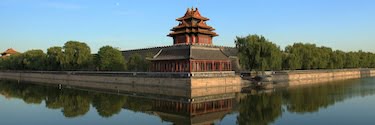
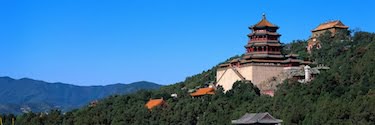
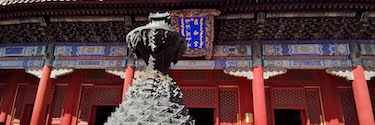
Steeped in history and royal legacy, Nanjing, once the capital of several Chinese dynasties, remains a treasure trove of cultural heritage and natural beauty. The imposing Sun Yat-sen Mausoleum and the haunting Nanjing Massacre Memorial Hall bear witness to the city’s significant past, while the majestic walls of the Ming Dynasty outline its ancient boundaries. Amidst the bustling urban landscape, the serene Confucius Temple area offers a reflective glimpse of traditional architecture and artistry. The lush landscapes of Purple Mountain and the tranquil waters of Xuanwu Lake complement the city’s historic tapestry, making Nanjing a compelling stop in the journey through China’s rich history and diverse culture.
Quick facts
– Population: A historical city with an estimated population of 130,000 as of 2022.
– Area: Its territory spans 11,613 km², nearly 17 times the size of Los Angeles.
– Languages spoken: While Standard Mandarin is widely spoken, many locals communicate in the Nanjing dialect, which is a subgroup of the Jianghuai Mandarin dialect.
Most important spots to visit & how long to stay
– Major historical sites and visits: Sun Yat-sen Mausoleum, Nanjing Massacre Memorial Hall, Ming City Wall, Confucius Temple, Purple Mountain, Xuanwu Lake, Nanjing Museum.
– Recommended duration for exploration: A minimum of 2 days is essential to cover the basics..
Where to stay
For luxury travelers, there are numerous choices of luxury hotels in town, The Ritz-Carlton, Kayumanis, InterContiental, The Westin, Sofitel, etc.; and also local luxury brand hotel such as The Lalu Hotel Nanjing, The Yihe Mansions (Relais & Chateaux).
Unique and exclusive experiences
– XXXXXX.
Culinary Delights
– Salted Duck: A delicacy where duck is marinated and then steamed or boiled.
– Nanjing Soup Dumplings: Flavorful dumplings with a juicy filling, often enjoyed with vinegar.
– Lion’s Head Meatballs: Large, tender meatballs usually braised in a rich sauce.
– Yuhua Tea: A special green tea produced in the Yuhua district.
– Duck Blood Soup: A rich soup made from duck blood set into jelly and then sliced.
Local Tips & Recommendations
– Best modes of transport within the city: XXXX.
– Weather: Nanjing has a humid subtropical climate. Hot, humid summers see temperatures from 28°C to 35°C (82°F to 95°F). Winters are cold and damp, with temperatures ranging from 0°C to 9°C (32°F to 48°F). The city is known for its hot summers and has four distinct seasons, with beautiful plum blossoms in spring and colorful leaves in autumn.
A few curiosities most people don’t know about the city
– Nanjing’s name means “Southern Capital,” in contrast to Beijing, the “Northern Capital.”.
– It was the capital of several Chinese dynasties and regimes, including the Ming dynasty and the Republic of China.
– The city has one of the world’s largest inland ports.
– The Purple Mountain Observatory in Nanjing is China’s oldest modern astronomical observatory.
– The Zhonghua Gate has the most complex castle tunnel structure of city gates in the world.
– Sun Yat-sen, the father of modern China, is entombed in Nanjing.
Final thoughts & conclusion
Nestled by the Yangtze River, Nanjing stands as a beacon of China’s rich historical tapestry. Once the ancient capital for several dynasties, its city walls and the Sun Yat-sen Mausoleum echo tales of an illustrious past. Yet, beyond the historical relics, Nanjing’s Xuanwu Lake and the bustling Confucius Temple market area showcase the city’s vibrant present. Every corner of Nanjing whispers stories of emperors, scholars, and common folk, making it a timeless voyage through China’s layered history.