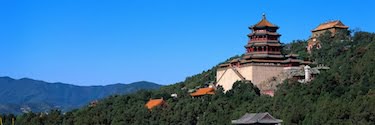
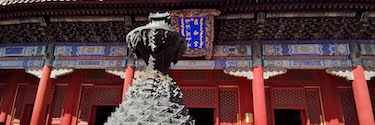
Shangri-La, often associated with the fictional paradise in James Hilton’s “Lost Horizon”, is an actual haven in Yunnan province that captivates visitors with its breathtaking natural beauty. Framed by the majestic snow-capped peaks of the Himalayas, the region is a tapestry of verdant grasslands, mystical Tibetan monasteries, and serene highland lakes. The sacred Meili Snow Mountain stands guard over the town, while the ancient Ganden Sumtseling Monastery showcases the rich Tibetan culture. As travelers traverse the Pudacuo National Park or gaze upon the tranquil waters of Napa Lake, they are whisked away into the dreamy landscapes that have etched Shangri-La’s status as one of the most ethereal destinations in all of China.
Quick facts
– Population: Approximately 130,000 (as of 2022).
– Area: 11,613 km² (this is almost 15 times larger than New York City).
– Language Spoken: Mandarin, Tibetan, and several other ethnic minority languages.
Most important spots to visit & how long to stay
– Major historical sites: Songzanlin Monastery, Pudacuo National Park, Dukezong Ancient Town, Meili Snow Mountain, White Water Terraces, Ganden Sumtseling Gompa, Napa Lake.
– Recommended duration for exploration: A minimum of 3 days is essential to cover the basics.
Where to stay
XXXX.
Unique and exclusive experiences
LOAD
Culinary Delights
– Tibetan Yak Butter Tea: A unique blend of tea made with yak butter, essential in the cold climate.
– Tibetan Barley Wine: A local alcoholic beverage made from highland barley.
– Yak Meat: Prepared in various ways, it’s a staple meat in Shangri-la.
– Tibetan Yogurt: A sour dairy product often eaten with sugar or honey.
– Tibetan Bread: Flatbreads often enjoyed with yak butter or cheese.
Local Tips & Recommendations
– Best modes of transport within the city: Due to the distances between visits, having a car and a driver is indispensable in the area.
– Weather: Shangri-La experiences a highland climate, with mild, short summers seeing temperatures ranging from 12°C to 19°C (54°F to 66°F) and long, cold winters with temperatures between -7°C to 2°C (19°F to 36°F). Spring and autumn bring diverse weather conditions, but the region’s natural beauty makes it a popular destination throughout the year, especially for its picturesque landscapes.
A few curiosities most people don’t know about the city
– The name “Shangri-la” was adopted by the city to promote tourism, inspired by the fictional Himalayan paradise in the novel “Lost Horizon” by James Hilton.
– The city was previously known as Zhongdian but was renamed in 2001.
– It’s home to the Ganden Sumtseling Monastery, often referred to as the “Little Potala Palace” because of its resemblance to the Potala Palace in Lhasa.
– Shangri-la has a unique blend of Tibetan and Han Chinese influences.
– The city is part of the Three Parallel Rivers of Yunnan Protected Areas, a UNESCO World Heritage Site.
– Due to its altitude, Shangri-la has a unique highland climate, distinct from much of Yunnan.
Final thoughts & conclusion
Resting high on the Tibetan plateau, surrounded by majestic mountains and peaceful meadows, Shangri-La is the embodiment of a mystical earthly paradise. Its name, inspired by a mythical utopia, reflects the harmonious blend of nature and ancient Tibetan culture. The Ganden Sumtseling Monastery and the tranquil beauty of Pudacuo National Park are testaments to the region’s spiritual and natural richness. Visitors to Shangri-La find that the journey concludes far beyond a physical destination; it’s an exploration of soul and serenity in China’s breathtaking highland sanctuary.