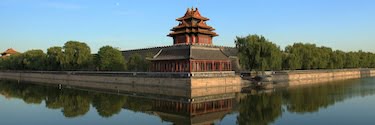
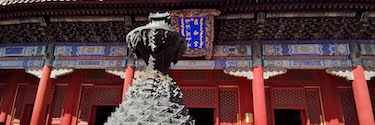
Known as the beacon of history and culture in Shanxi Province, Taiyuan presents a remarkable blend of ancient heritage and modern-day progress. The Fen River adds a serene touch to the city, echoing stories of past dynasties. Taiyuan is not just about its famous vinegar and rich culinary scene; it’s also home to historical treasures such as the Twin Pagoda Temple and the Jinci Temple. As visitors explore its bustling streets or experience the local shadow puppetry, they’re immersed in a city where millennia of history intersect with modern living, marking Taiyuan as an intriguing spot in China’s vast landscape.
Quick facts
– Population: Approximately 4.3 million (as of the latest available data).
– Area: 6,988 km² (roughly equivalent to slightly larger than the size of Crete, Greece)
– Language Spoken: Mandarin (with a regional Shanxi dialect).
Most important spots to visit & how long to stay
– Major historical sites and visits: Jinci Temple, Twin Pagoda Temple, Shanxi Museum, Chongshan Monastery, Tianlong Mountain.
– Recommended duration for exploration: A minimum of 1.5 days is essential to cover the basics.
Where to stay
For luxury travelers, It is the only city in Shanxi Province with international brand hotels, such as InterContinental, Kempinski, Pullman, Crowne Plaza, Courtyard by Marriott, and local hotel brand Wanda Vista.
Unique and exclusive experiences
– XXXXXX.
Culinary Delights
– Taiyuan Noodles (Taiyuan Daoxiaomian): Hand-cut wheat noodles typically served in a rich, meaty broth, often accompanied by vegetables and various meats.
– Shanxi Vinegar (Shanxi Laochen Cu): Aged vinegar made from sorghum, barley, and peas, known for its rich, smoky, and slightly sweet flavor.
– Tounao: A local dish made with mutton, rice wine, and medicinal herbs, often eaten for breakfast, reputed for its health benefits.
– Cat Ear Noodles (Mao Er Duo): Small, ear-shaped pasta typically stir-fried or served in soup with various savory ingredients.
– Fried Cake with Sugar (Tang Gao): A traditional snack, deep-fried and coated in molten sugar, known for its sweet, crispy exterior and soft interior.
– Yellow Cake (Huang Gao): A traditional dessert made from millet with a sweet or savory filling, steamed to a soft, cake-like texture.
Local Tips & Recommendations
– Best modes of transport within the city: XXXX.
– Weather: Taiyuan experiences a temperate continental climate, with warm summers seeing temperatures ranging from 20°C to 30°C (68°F to 86°F) and chilly winters with temperatures between -10°C to 3°C (14°F to 37°F). Spring and autumn are characterized by mild and pleasant weather. The city’s significance as the capital of Shanxi Province and its rich cultural heritage make it an alluring destination throughout the year, drawing visitors to its historical landmarks and serene landscapes..
A few curiosities most people don’t know about the city
– Ancient Name Origins: Taiyuan was formerly known as “Jinyang,” believed to have been established during the Xia Dynasty, making it one of China’s most ancient cities.
– Cradle of Buddhism: One of the earliest introductions of Buddhism in China occurred in Taiyuan, with the city being a significant center for Buddhist study in ancient times.
– Innovative Cuisine: Taiyuan is the birthplace of the famous “knife-cut noodles,” a popular dish in northern China where dough is expertly sliced to produce thick, hearty noodles.
– Coal Capital: Taiyuan plays a pivotal role in China’s coal industry, being situated in the Shanxi province, which is rich in coal reserves.
– Unique Architecture: The Twin Pagoda Temple, with its two towering structures, is a symbol of Taiyuan. It’s rare to find twin pagodas like these, making them a unique architectural feature in China.
– Ancient Vineyards: Taiyuan and the surrounding Shanxi region have some of China’s most ancient vineyards, with a winemaking history that goes back centuries, long before it became popular in the modern era.
Final thoughts & conclusion
Cradled in the heart of Shanxi Province and steeped in history, Taiyuan tells tales of China’s bygone eras. The ancient Jinci Temple, with its lush gardens and historic sculptures, stands as a beacon of the city’s rich cultural lineage. Taiyuan’s Twin Pagoda Temple, towering in architectural splendor, whispers stories of monks and mandarins. This city, with its juxtaposition of industrial growth and deep-rooted traditions, offers more than just sights—it’s an exploration into the soul of China’s ancient heartland.